Key Takeaways
- Myopia worsens when the eye grows too long from front to back, pushing the focus point in front of the retina, at the back of the eye.
- Genetics, prolonged near work, screen time, and limited time outdoors are common factors linked to myopia development and progression.
- Progression typically slows in the early twenties, but can continue in some adults.
- Myopia control options like MiSight contact lenses, MiyoSmart spectacle lenses, Ortho-K, and low-dose atropine drops may help slow changes.
- Regular eye exams track prescription shifts before they become a bigger problem.
Why Distance Vision Keeps Getting Blurrier
You pick up your glasses, expecting clear sight, and things still look a little fuzzy at a distance. Or maybe you feel like you just took your child for an eye exam, but they’re already complaining that the board in school is blurry. At Willoughby Doctors of Optometry, we see this pattern regularly in children and adults across Langley, and there are real options to help manage it.
Myopia worsens when the eyeball grows longer than it should, causing light to focus in front of the back of the eye instead of directly on it, which blurs distant objects. The good news is that there are myopia control options that can help slow its progression.
What Myopia Does to the Eye
When light enters your eye, it needs to hit the exact right spot at the back of your eye, on sensitive tissue called the retina. But with myopia, the eye is too long from front to back, so light focuses just short of this tissue, resulting in a crisp image up close but a fuzzy one at a distance.
Myopia progression moves fastest during childhood and the teenage years, because the body is still growing. That’s why a child’s prescription can shift noticeably from one year to the next, sometimes more than once in a single school year.
Catching myopia early may help increase your chances of ending up with a lower prescription in the long run.
Factors That Increase the Risk of Developing Myopia
Genetics and Family History
If one or both parents are nearsighted, your child has a higher chance of developing myopia, too. Genetics plays a real role here, but that doesn’t mean genes are the whole story.
Even when genetics play a role, healthy habits like more outdoor time and regular screen breaks may still help support your child’s visual development.
Too Much Screen Time and Near Work
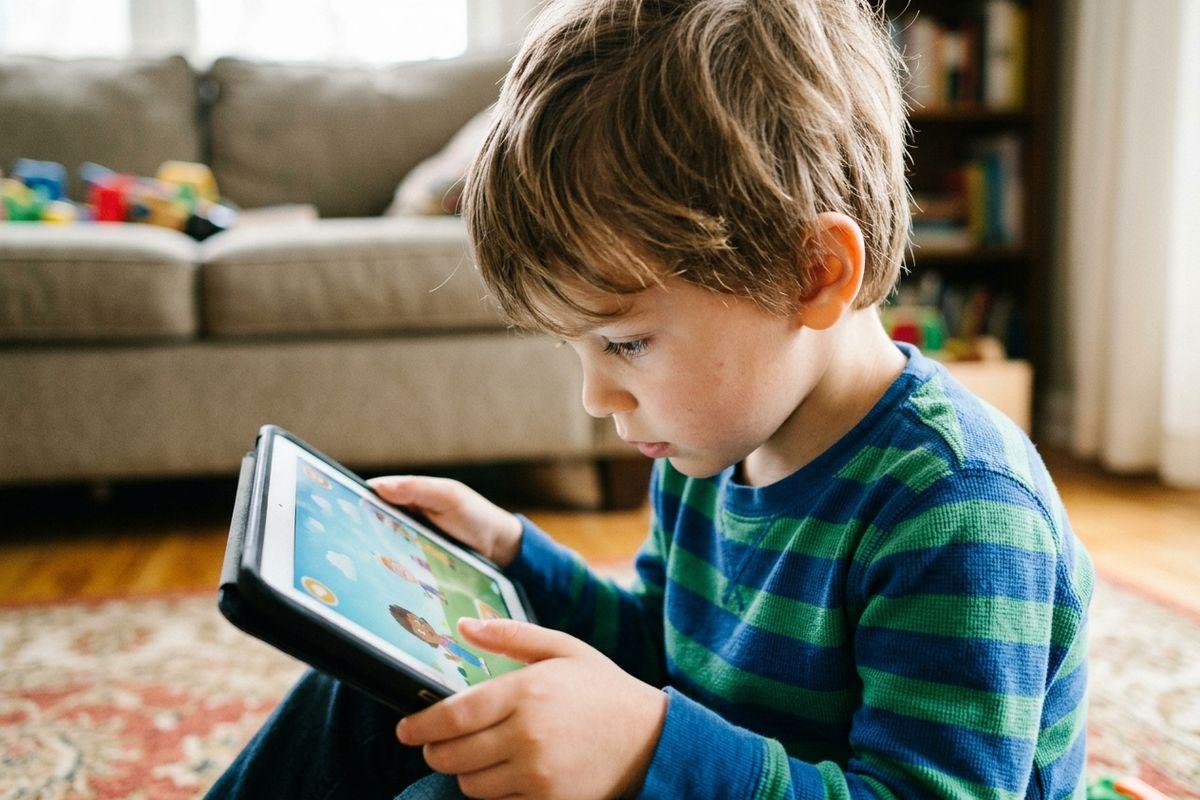
Staring at a phone, tablet, or book for long stretches can keep your eyes locked in close focus. Over time, prolonged near work is associated with an increased risk of myopia progression. It doesn’t mean screens are off-limits, but breaks help.
A practical habit to build into your day is the 20-20-20 rule. Every 20 minutes of near work, look at something 20 feet away for at least 20 seconds. It gives your eyes a chance to relax and can help reduce digital eye strain, which many people notice after long work-from-home days.
Not Enough Time Outdoors
This one surprises a lot of parents. Children who spend less time outside each day have a notably higher risk of faster myopia progression. Natural light exposure appears to reduce myopia risk in children, and focusing on distant objects outdoors gives the visual system a different kind of workout than near tasks do.
At What Age Does Myopia Stop Getting Worse?
For most people, progression slows down in the early twenties once the body stops growing. But it doesn’t always stop completely.
Adults who do heavy amounts of near work, like extended reading or long hours at a computer, can still see their prescription shift over time. Regular adult eye exams can help track those changes at every stage, so you’re never caught off guard by a prescription that no longer works for you.
Signs Myopia May Be Getting Worse
Your eyes might be signaling to you that it’s time for an updated prescription. If you notice any of these signs, it might be time to come visit our team for an appointment:
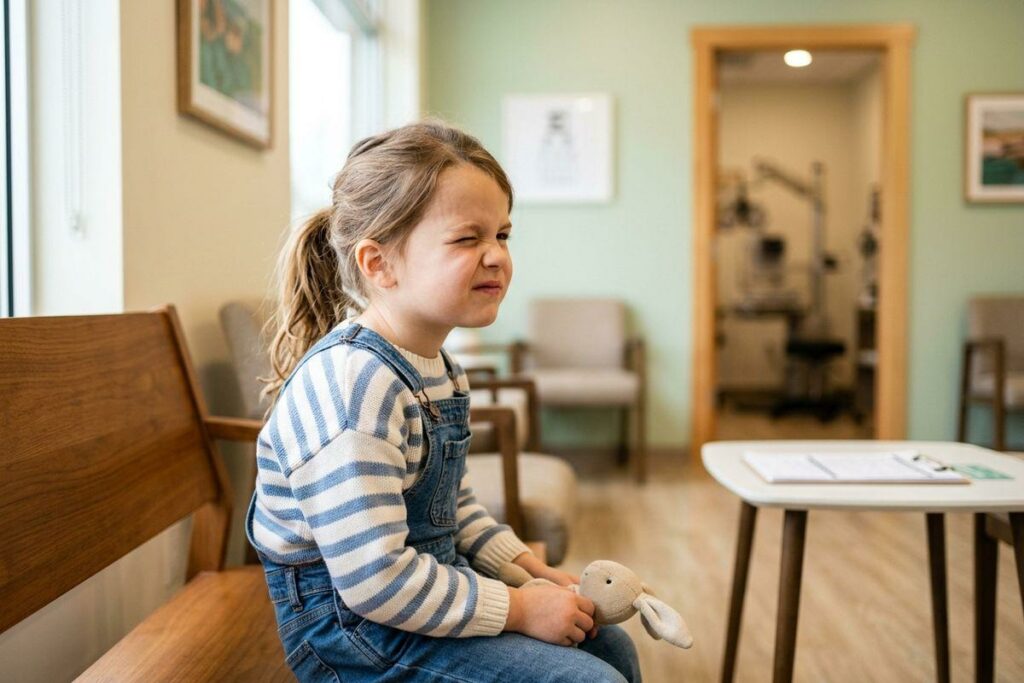
- Squinting or closing one eye to see something clearly in the distance
- Headaches that come on after driving, watching TV, or looking across a room
- Rubbing your eyes more than usual
- Your glasses or contacts are feeling weaker than they used to
These signs are worth mentioning at your next eye exam, especially if your child’s prescription seems to be changing quickly.
Myopia Control Options Worth Knowing About
Specialty Lenses and Contacts
Myopia control lenses are designed to slow the rate at which the eye elongates. They work differently from standard lenses by managing how light falls across the visual field. MiSight contact lenses, MiyoSmart spectacle lenses, and orthokeratology lenses are commonly used options your optometrist may discuss based on your child’s age, prescription, and lifestyle.
Atropine Drops and Lifestyle Adjustments
Low-dose atropine eye drops have shown consistent results in helping slow myopia progression in children. These drops are typically used once daily and are well-tolerated by most kids. Alongside drops, simple lifestyle changes like daily time outdoors, regular screen breaks, and proper reading distance support healthy eye development over the long term.
Myopia Control in Langley
At Willoughby Doctors of Optometry, we offer myopia control options for children and teens, with options tailored to the needs and lifestyle of each family. From contact lens fittings to specialty lens options and early screening through children’s eye care, our team takes a thorough approach to catching and managing progression early.
Schedule Your Child’s Myopia Consultation
If your child is squinting, sitting closer to screens, or needing frequent prescription updates, an eye exam is the best place to start. Myopia can change quickly during childhood, but the right plan can help you understand what’s happening and how to support their long-term vision.
At Willoughby Doctors of Optometry, we can assess your child’s vision, track prescription changes, and walk you through myopia control options in Langley, including MiSight, MiyoSmart, Ortho-K, and low-dose atropine when appropriate. Book an appointment today to find an approach that fits your child and your family.