
You probably already know vaping carries health risks, but your eyes aren’t usually the first thing that comes to mind. Most people think about their lungs or heart, not the delicate tissues sitting right in the path of exhaled vapour.
Yes, vaping can affect your eyes, and some of those effects can build up over time without you noticing until the damage is already underway. Optometrists see firsthand how lifestyle habits can quietly affect vision, and vaping is one that doesn’t get talked about enough. Eye exams are one of the most straightforward ways to detect those early, easy-to-miss changes.
How Vaping Affects Eye Health
When you vape, the chemicals in that vapour don’t stay in your lungs. They move through your bloodstream and come into contact with some of the most sensitive tissue in your body, including your eyes. E-cigarettes often contain higher nicotine concentrations than traditional cigarettes.
Nicotine constricts blood vessels, including the tiny ones that supply oxygen and nutrients to your eyes. Over time, reduced blood flow puts your eye tissue under stress. Add the acrolein and formaldehyde found in many vapour products to the mix, and you have a combination that wears down your eyes. Studies already show that tobacco-related chemicals raise the risk of serious eye conditions, and many of those same compounds appear in vaping products.
Common Symptoms You Might Notice Early On
Some symptoms show up after just a short period of regular vaping. If you’ve been experiencing any of the following, vaping could be a contributing factor:
- Scratchy, itchy, or red eyes
- Blurry vision
- Sensitivity to light
- A burning sensation
- General eye pain
These symptoms can feel like seasonal allergies or too much screen time. That overlap makes it easy to brush them off. But if they keep coming back, it’s worth taking a closer look at what might be driving them. Book an exam with an optometrist to reliably pinpoint the cause.
Can You Tell If Someone Vapes by Their Eyes?
Sometimes, chronic vapour exposure leaves visible clues behind. An optometrist may notice patterns that connect to your overall health picture:
- Persistent redness
- Dryness that doesn’t go away with eye drops
- Frequent squinting or obvious discomfort in bright light
These signs aren’t definitive proof of vaping on their own, but they’re something that an optometrist can note during an exam and connect to your overall health picture.
Eye Conditions Vaping Can Contribute To
Exposure to the chemicals found in e-cigarettes can play a direct role in developing several common eye issues over time.
Dry Eye
Dry eye is one of the most direct effects of vaping. Vapour chemicals irritate the surface of your eye and can disrupt the tear film that keeps your eyes lubricated. Your eyes may stop producing enough moisture to stay comfortable, leaving you with that gritty, tired feeling throughout the day. The longer you vape, the more the irritation compounds.
Cataracts
Nicotine and other chemicals in vapour create oxidative stress in your body, which can speed up the development of age-related eye diseases. Oxidative stress accelerates the lens clouding linked to cataracts. This means conditions that normally surface in your 60s or 70s can show up much earlier.
Glaucoma
Vaping can reduce blood flow to the optic nerve, raising your risk of developing glaucoma. This condition doesn’t announce itself early on. Manage this risk by staying on top of your routine screenings.
Macular Degeneration
Central vision loss tied to macular degeneration has a strong association with nicotine exposure. Dilated eye exams can detect many diseases like macular degeneration before noticeable symptoms appear. Book regular visits to stay ahead of these developments.

What Happens to Your Eyes If You Stop Vaping
There is plenty of reason to be hopeful if you decide to quit. Some changes to your eyes may improve after you stop vaping if you catch them early. Redness and dryness are often among the first symptoms to settle down once you remove the irritant.
However, conditions like glaucoma or early cataract development don’t simply go away on their own. You need to manage those issues with professional monitoring over time. Optometrists can track whether things are stabilizing, improving, or needing more attention with regular eye disease monitoring.
When to Visit an Optometrist
Don’t wait for symptoms to become disruptive before booking an appointment. A few specific situations call for a visit sooner rather than later:
- Dryness, blurry vision, or eye discomfort that keeps coming back
- Missing a recent glaucoma screening while regularly vaping
- A family history of cataracts or other eye disease combined with a vaping habit
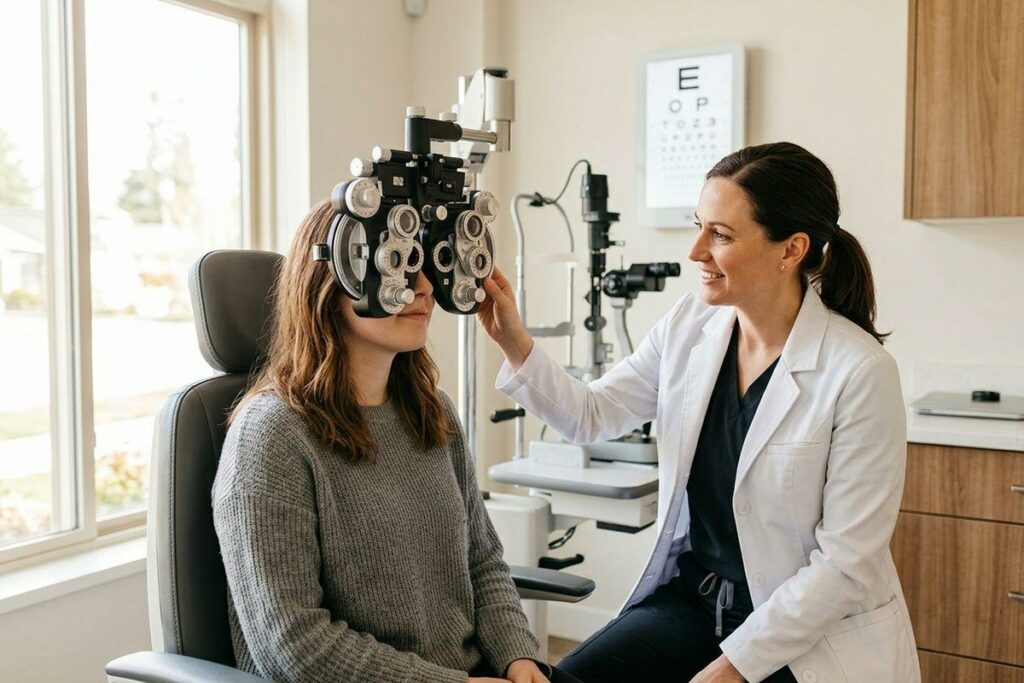
A thorough eye exam includes tests for eye pressure, retinal health, and visual field development. This gives your optometrist a complete picture of your ocular health, so we can address these problems at a stage when you have more options available to you.
Make Eye Health a Top Priority
Taking care of your eyes means looking at the big picture of your daily habits. You deserve clear, comfortable vision, and we are here to help you protect it. We can identify changes you wouldn’t notice on your own with our diagnostic technology.
If you vape and haven’t had your eyes checked recently, now is a good time to schedule a visit. Contact us at Willoughby Doctors of Optometry to book your appointment.