
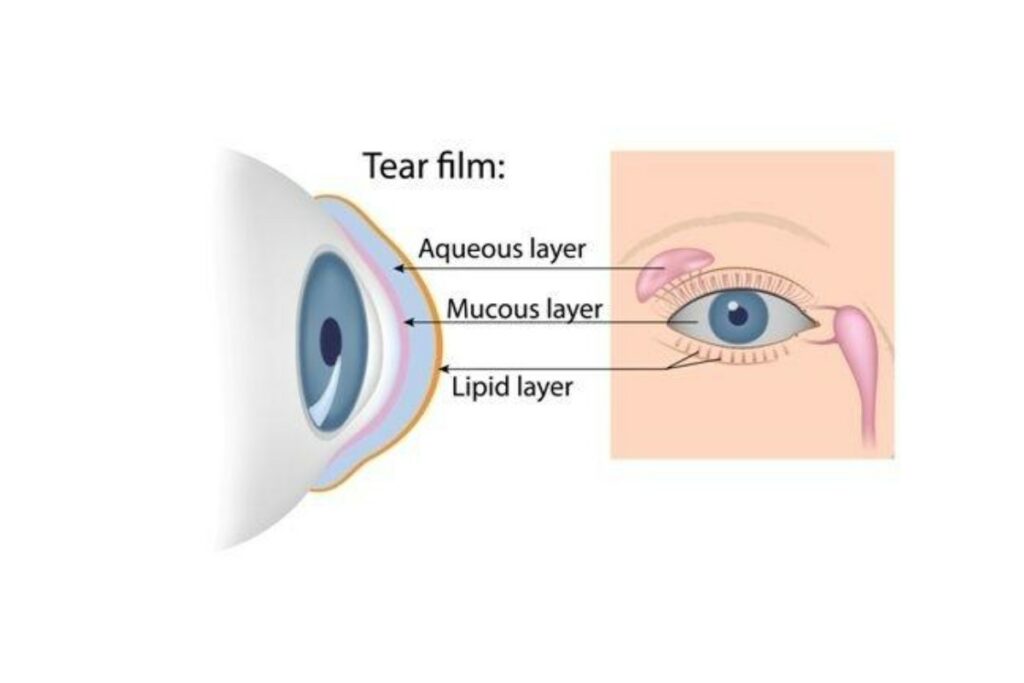
Your eyes feel dry and scratchy, maybe accompanied by a little burning, and blinking doesn’t seem to help for long. You might assume you just need more sleep or to drink more water. But if the feeling keeps coming back, the real issue could be much smaller than you think: tiny oil glands along your eyelid edge that have become blocked.
Willoughby Doctors of Optometry sees this pattern regularly, and the good news is that blocked meibomian glands are very manageable once identified. Our team’s dry eye treatment approach starts with understanding exactly what’s going on with your glands.
Unclogging meibomian glands typically involves a combination of warm compresses, gentle eyelid massage, and regular lid hygiene at home, with in-clinic treatments available for more stubborn blockages.
What Are Meibomian Glands?
Meibomian glands are small oil-producing glands that line the edges of your upper and lower eyelids. Every time you blink, they release a thin layer of oil that coats your tear film and keeps moisture from evaporating too quickly.
When these glands get blocked, that oil hardens and stops flowing properly. Your tear film becomes unstable, and your eyes feel the difference—dryness, irritation, and that persistent, uncomfortable feeling that just won’t go away.
Signs Your Meibomian Glands May Be Blocked
Common Symptoms to Watch For
Meibomian gland blockages can feel a lot like general eye irritation, which makes them easy to overlook at first. Paying attention to the specific signs can help you connect the dots earlier. Symptoms can include:
- Dry, gritty, or burning sensation in the eyes
- Blurry vision that clears up after blinking
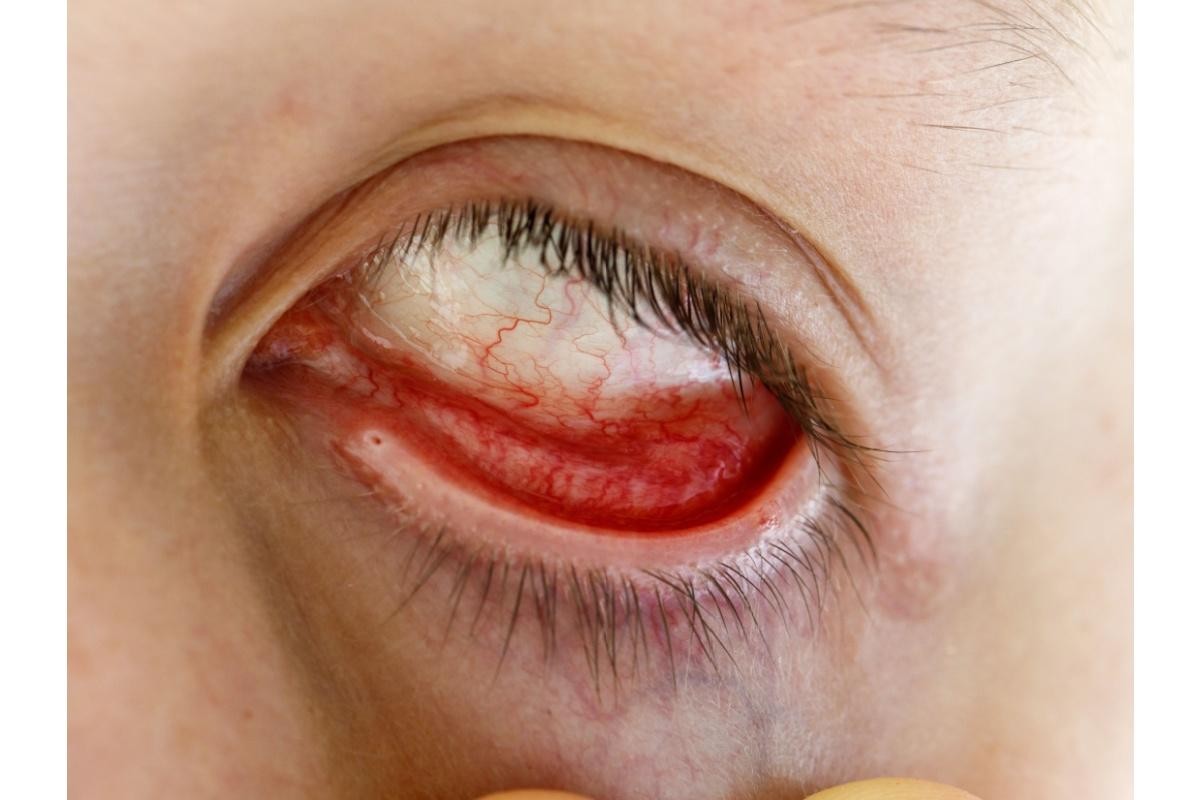
- Red or swollen eyelid edges
That blurry-then-clear pattern is a telling sign. It means your tear film is breaking down between blinks—something a stable oil layer would normally prevent.
When to See an Eye Doctor
Some mild dryness can come and go without much concern. But there are times when it’s worth booking an appointment with an eye care professional sooner rather than later, including:
- Symptoms that last more than a few days without improving
- Recurring styes or chalazia (firm lumps on the eyelid)
Recurring styes and chalazia are often a direct sign of blocked meibomian glands. Left unaddressed, the blockages can worsen and become harder to manage over time.
At-Home Methods to Unclog Meibomian Glands
Warm Compress Routine
Heat is one of the most effective tools for softening the hardened oils inside blocked glands. A warm compress applied to closed eyelids for about 10 minutes each day can help loosen the buildup so it flows more freely.
For best results, use a reusable heated eye mask or compress designed to retain consistent warmth, rather than a standard warm cloth, which tends to cool too quickly to be effective. Make sure the temperature is comfortably warm, not hot.
Consistency matters more than intensity here. A daily routine over several weeks tends to produce much better results than an occasional effort.
Eyelid Hygiene and Massage
Right after your warm compress, while the oils are still soft, gently massaging your eyelids can help move blockages toward the surface. Use a clean fingertip and apply light pressure along the lid margin in a rolling motion, being careful not to press directly on your eye.
Pairing this with a gentle, eye-safe lid cleanser helps remove debris and bacteria that can clog glands further. Lid scrubs and pre-moistened lid wipes designed for eyelid hygiene are both good options.
In-Clinic Treatments for Blocked Meibomian Glands
Professional Lid Debridement and Expression
When at-home methods aren’t enough, an eye care professional can perform a more thorough in-office treatment. Meibomian gland expression involves your eye doctor carefully applying pressure to manually clear the blocked openings, releasing the trapped oils that home routines couldn’t quite relieve.
Lid debridement goes a step further by clearing debris and buildup along the entire lid margin. The process is more comfortable than it sounds, and many people notice a difference in their symptoms afterward.
Prescription and Therapeutic Options
Depending on what the eye doctor finds during your exam, they may recommend medicated drops, prescription lid wipes, or anti-inflammatory treatments to calm the area and support recovery. These options target the underlying inflammation that often accompanies chronic blockages.
Omega-3 supplements are another tool that can support meibomian gland function over time. An eye care professional can help you figure out which combination of treatments fits your specific situation.
Long-Term Eye Health and Dry Eye Care
Managing meibomian gland blockages isn’t a one-time fix—it’s an ongoing part of keeping your eyes healthy. Regular eye exams in Langley, BC, can catch gland issues early, before symptoms become disruptive. A thorough exam gives our eye care team a clear picture of how your glands are functioning and whether your current routine is working.
If you spend long hours on screens, digital eye strain treatment is worth discussing at your next visit. Screen time reduces your blink rate significantly, which means your meibomian glands get less of a workout, and blockages can build up faster as a result.
Find Relief Today
A personalized maintenance plan based on your lifestyle, symptoms, and gland health makes it much easier to stay ahead of the problem rather than constantly playing catch-up.
At Willoughby Doctors of Optometry in Langley, our team takes a thorough, personalized approach to dry eye care and meibomian gland health. If your eyes have been feeling uncomfortable and you’re ready for some answers, reach out to book your eye exam today.