
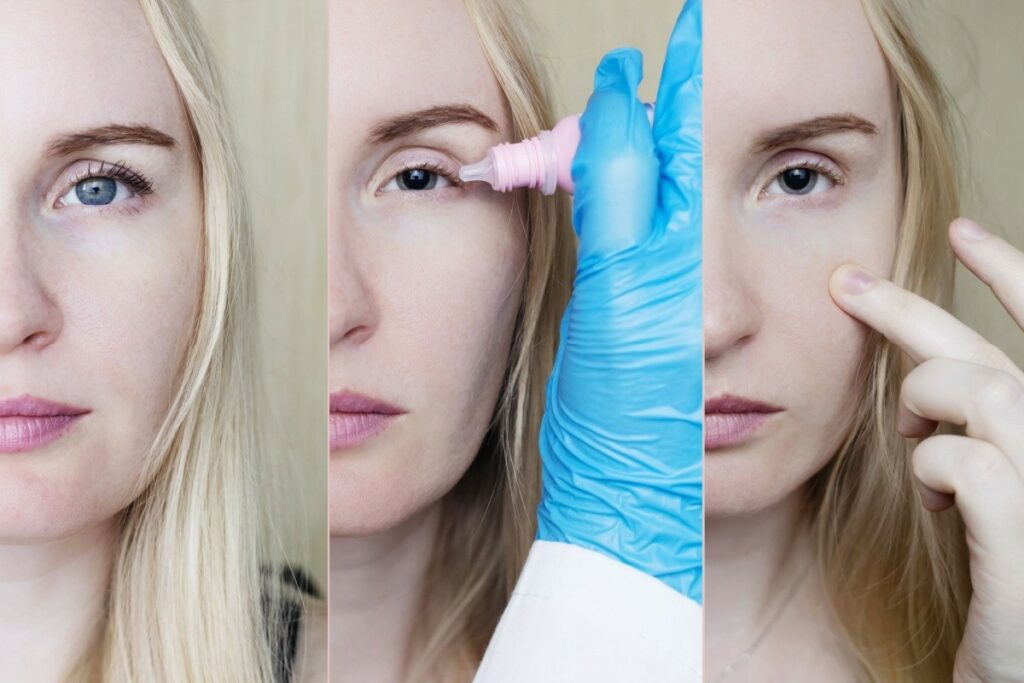
You sit in the parking lot after your eye exam, squinting at the bright daylight streaming through your windshield. Everything looks blurry, and you’re wondering if you can safely make it home behind the wheel.
Eye care professionals generally recommend arranging alternative transportation after eye dilation. While distance vision is often not significantly affected, the increased light sensitivity and glare can make driving uncomfortable and potentially unsafe, especially in bright sunlight or unfamiliar conditions. Many people choose not to drive until the effects wear off, though individual experiences vary.
At Willoughby Doctors of Optometry, we recommend discussing transportation plans with friends or family before your comprehensive eye exam to ensure a safe experience.
What Happens When Your Eyes Get Dilated
How Eye Dilation Drops Work
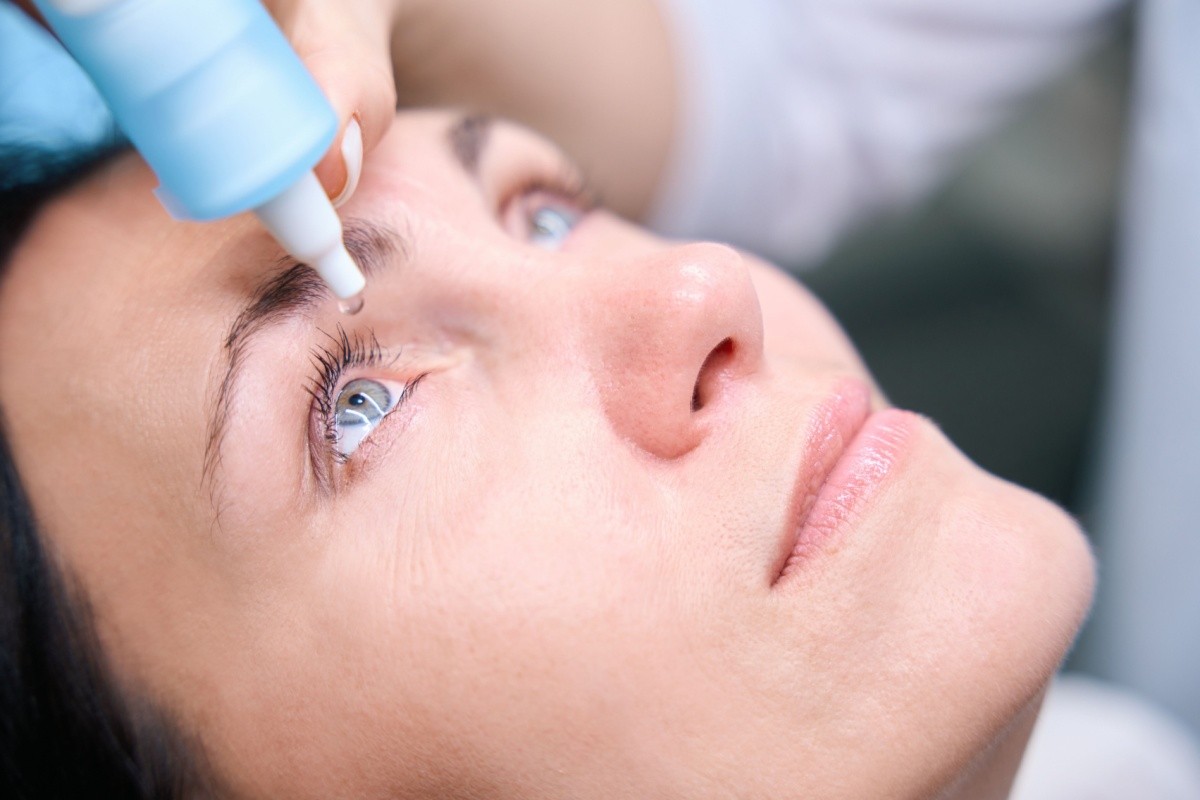
To dilate your eyes, your eye doctor will place special drops in your eyes that temporarily paralyze the muscles controlling your pupils. Your pupils then expand to allow much more light into your eyes than usual. This process takes about 15 to 30 minutes to reach full effect.
These drops also affect the muscles that help your eyes focus on objects at different distances. That’s why reading becomes difficult and distant objects might appear fuzzy during your recovery period.
Why Eye Doctors Use Dilation During Eye Exams
Dilated pupils are larger, which gives your eye doctor a clearer view of your retina, optic nerve, and the blood vessels at the back of your eye. This comprehensive view helps your eye doctor detect early signs of serious conditions that could affect your vision.
Many eye diseases develop without obvious symptoms in their early stages. Your eye doctor can spot problems like retinal tears, macular degeneration, or diabetic changes that you might not notice until significant damage occurs.
Modern imaging technology, such as wide-field retinal cameras, now allows many eye exams to be performed without dilation. However, dilation is still recommended in certain situations—such as for patients with diabetes, high myopia, or specific risk factors—where a more detailed examination is necessary.
Your eye doctor will let you know in advance if dilation will be needed for your appointment. Comprehensive eye exams help detect these conditions early.
How Dilation Affects Your Vision & Driving Ability
Changes You’ll Notice in Your Eyesight
- Increased sensitivity to bright lights
- Difficulty focusing on close objects
- Blurry vision at various distances
- Halos around light sources
Why These Changes Make Driving Risky
When your pupils are dilated, they can’t control the amount of light entering your eyes, making bright sunlight or oncoming headlights overwhelming. You might find yourself squinting constantly or struggling to see clearly when light conditions change quickly.
Reading road signs, checking your speedometer, or seeing your mirrors clearly becomes challenging during dilation. Your depth perception might also feel off, making it harder to judge distances between your car and other vehicles.
How Long the Effects Last After Your Appointment
Typical Timeline for Different Age Groups
Most adults experience dilation effects for 4 to 6 hours after their appointment. Children often recover more quickly, with effects lasting 2 to 4 hours. Seniors might notice the effects persist for 6 to 8 hours or longer. ( Dilation effects each individual differently, but most adults feel the effects for 2 to 6 hours. Effects could also wear off more quickly or last longer than 6 hours. Children may need stronger drops than adults, so the effects may last much longer)
Your near vision typically returns before your light sensitivity completely disappears. You might be able to read normally while still feeling uncomfortable in bright environments. Children’s eye exams often involve shorter recovery times due to their resilient visual systems.
Factors That Influence Recovery Time
People with lighter-colored eyes often experience longer-lasting effects because their eyes naturally let in more light. The type and strength of dilation drops used also affects your recovery time.
Certain medications can also slow down your recovery, as can your overall health and age. Dilated eye exams provide detailed information about what to expect during recovery.
Safe Transportation Options After Eye Dilation
Plan Ahead for Your Eye Exam
Ask a family member or friend to drive you to and from your appointment. Many people find this the simplest solution, especially when they know that dilation will be part of their eye exam. You can also use ride-sharing services, public transportation, or taxi services to get home safely.
Schedule your appointment for a time when you don’t need to drive afterward. Morning appointments often work well because the effects wear off by late afternoon or evening.
What to Do If You Must Drive Yourself
If absolutely necessary, wait in the clinic or parking lot until your vision clears enough for safe driving. Ask the staff how long they recommend that you wait. It’s important that you not drive until your vision is clear enough that you can do so safely.
Protective Eyewear Options
Sunglasses can significantly reduce light sensitivity and glare during your recovery. Polarized lenses work particularly well for reducing harsh reflections from car windows and wet pavement.
Plan Ahead for a Safe, Comfortable Eye Exam Experience
Understanding how dilation affects your vision helps you prepare for a safe experience before, during, and after your eye exam. The key is planning ahead: knowing whether your exam will include dilation, arranging transportation in advance, and bringing sunglasses to reduce light sensitivity on your way home.
If you’re unsure whether your upcoming appointment will require dilation, don’t hesitate to ask when you schedule. Many modern eye exams can be performed without dilation thanks to advanced imaging technology, though it’s still necessary in certain situations for a thorough examination of your eye health.
When you need comprehensive eye care in Langley, our team at Willoughby Doctors of Optometry can help you plan for a comfortable experience, including guidance on what to expect and post-appointment transportation options. We’ll let you know in advance if dilation will be part of your exam so you can make appropriate arrangements.
Book online or contact us to schedule your eye exam and discuss any concerns about dilation effects. Your vision and safety are our priorities.