Key Takeaways
- Alcohol slows the signals between your brain and your eyes, which can lead to blurry or double vision.
- Red, dry eyes after drinking can happen because blood vessels widen and alcohol acts as a diuretic.
- Heavy drinking over time has been linked to a higher risk of macular degeneration.
- Short-term blur usually clears within hours, though some longer-term changes may last.
- Yearly eye exams in Langley, BC, can help spot changes before you notice symptoms.
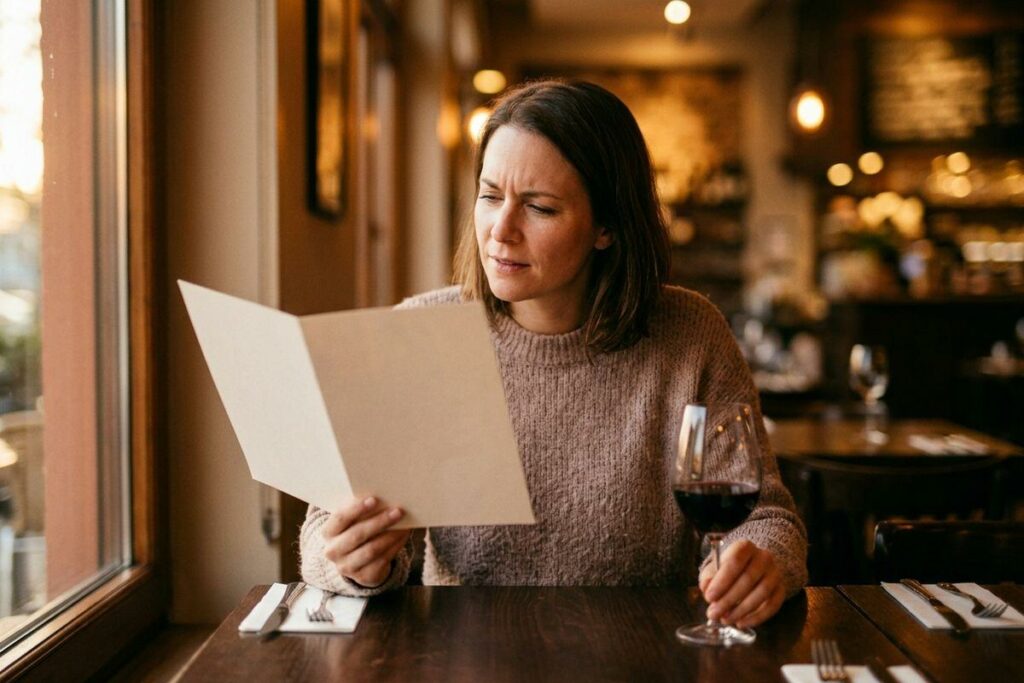
Two drinks into an evening, the words on a restaurant menu start to soften at the edges. Headlights outside stretch into halos. Colours on the wall look a little flatter than they did an hour ago.
Yes, drinking can affect your vision, both for a few hours after a night out and, with heavy long-term use, in ways that may last. The good news is that short-term changes usually fade on their own, and Willoughby Doctors of Optometry can help you keep track of anything more lasting through regular checkups.
How Alcohol Changes Your Vision in the Short Term
Your eyes and your brain talk to each other constantly. Alcohol slows that conversation down, so the picture you get may arrive a beat late and a little out of focus.
These changes don’t usually last. As alcohol leaves your system, the signals speed back up, and your vision settles.
Why Your Eyes Feel Dry and Look Red After Drinking
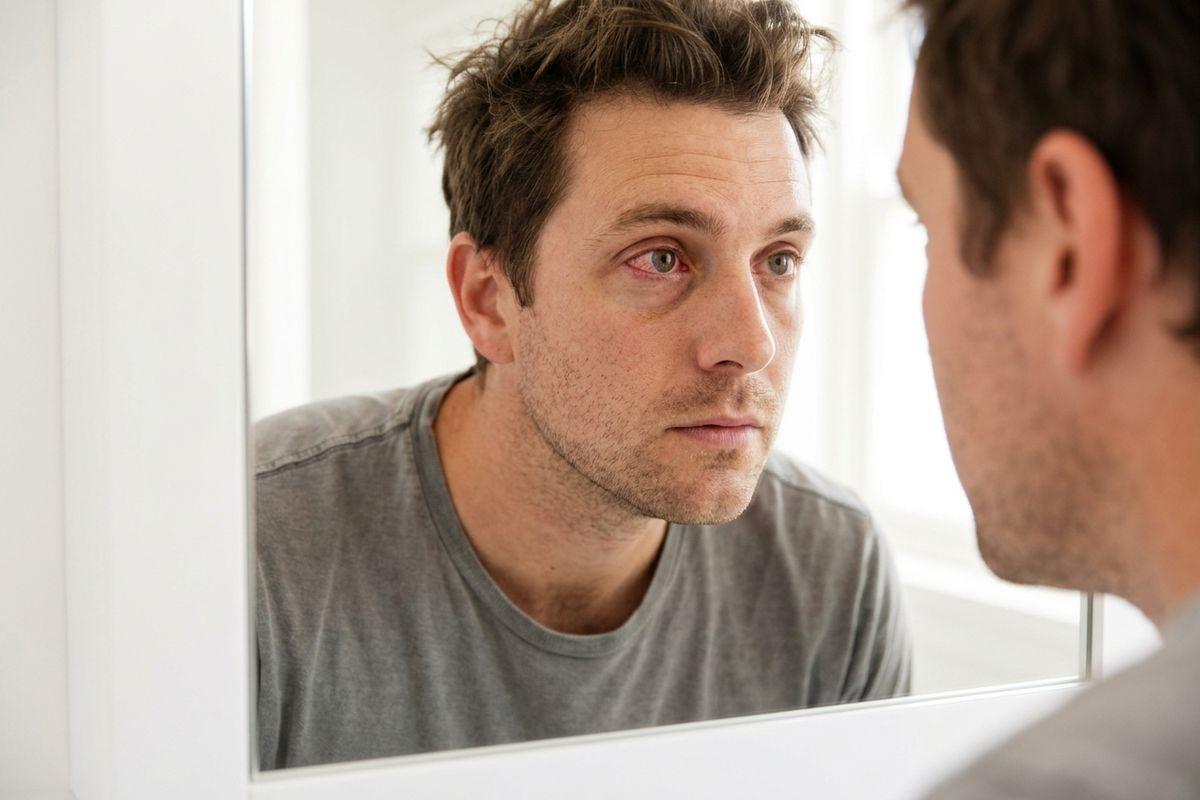
That bloodshot look in the mirror the next morning comes from widened blood vessels on the surface of your eyes. The vessels are always there. Alcohol simply makes them easier to see.
Alcohol also acts as a diuretic, which pulls fluid from your body. Less moisture can leave your eyes feeling gritty, tight, or like there’s sand under your lids.
Simple Comfort Steps
- Drink water alongside any alcohol you have.
- Use lubricating drops when your eyes feel dry.
- Give yourself a full night of sleep so your eyes can rest.
What Heavy Drinking Over Time Can Do to Your Eyes
Research links heavy alcohol use with a higher risk of macular degeneration, a condition affecting the central part of your vision. There may also be a connection to cataracts, though findings on that are still mixed.
Heavy drinking can also create nutritional gaps, and those gaps may affect the optic nerve, the cable that carries pictures from your eye to your brain.
Signs Worth Attention
If you notice any of these after a night of drinking, it is important to come in for an eye exam:
- Vision loss, or a general dimming as though someone turned down the lights
- Colour changes that don’t go away after a day or two
- A yellow tint in the white part of your eyes
What Happens to Your Vision After You Stop Drinking
The blur, the doubled street signs, the dulled colours from one evening usually clear within hours once alcohol is out of your system. Many people notice their vision back to normal by the next day.
Longer-term changes work differently. Some damage tied to years of heavy drinking may be lasting, which is why noticing it early matters so much. An optometrist can spot small shifts in your retina or optic nerve during an eye exam, often before they affect how you see, and earlier detection gives you more options for managing what’s happening.
What Happens During Your Visit
Our team typically starts with questions about your health history and your daily habits, including how much you drink, because that helps put what we see into context.
Then comes imaging of your retina and optic nerve, which gives a detailed look at the back of your eye. From there, you and your eye doctor talk through a care plan built around your visual needs, plus when to come back.
Book Your Next Eye Exam
Your eyes reflect a lot about your overall health, and a single appointment can tell you more than you’d expect. Our team at Willoughby Doctors of Optometry in Langley takes time to explain what they find in plain language, so you leave knowing where things stand.
Call to book your eye exam today, and bring your questions with you.